

INFRARED SAUNA AND YOUR HEART: WHAT THE RESEARCH ACTUALLY SAYS
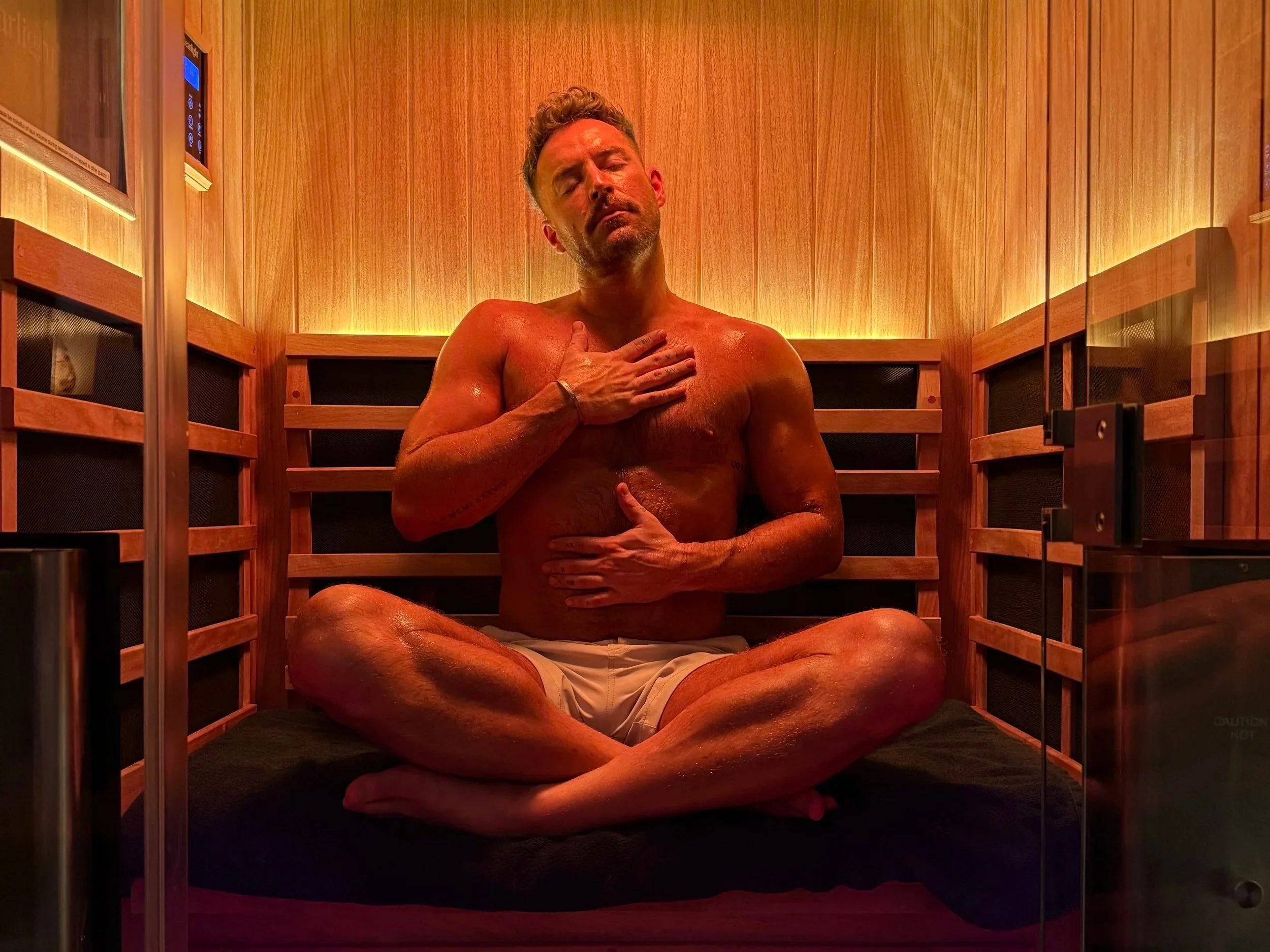
INFRARED SAUNA AND YOUR HEART: WHAT THE RESEARCH ACTUALLY SAYS
Austin is a city that moves. We run the trail system before sunrise, clip into our bikes on weekend mornings, and sign up for races months in advance just to have something to train toward. And while most of us think about cardiovascular fitness in terms of pace, power, and VO2 max, fewer of us think about the quiet, steady work of keeping the cardiovascular system itself healthy, not just fit. That is where a growing body of research on sauna therapy is worth paying attention to. Not because it replaces training, but because the science suggests that what happens to your heart and blood vessels during a sauna session looks more like exercise than like rest.
What happens to your cardiovascular system in an infrared sauna
When you step into an infrared sauna, your body responds to rising tissue temperature in predictable ways. Your heart rate climbs. Your blood vessels dilate. Circulation increases to bring more blood to the skin surface for cooling. Your cardiac output, the total volume of blood your heart pumps per minute, goes up meaningfully.
The physiological responses to sauna bathing bear a striking resemblance to those experienced during moderate to vigorous aerobic exercise. A 2025 review published in Frontiers in Cardiovascular Medicine by researchers at Washington University School of Medicine noted that passive heat therapy promotes vasodilation and concurrently impacts arterial stiffness, wall thickness, and blood pressure. PubMed CentralPubMed Central
One of the key mechanisms behind this is nitric oxide. Heat stress encourages the cells lining your blood vessels to produce more of it, and nitric oxide is the signaling molecule that tells blood vessels to relax and widen. Heat shock proteins have been found to positively influence cardiovascular function by modulating nitric oxide pathways and mitigating chronic oxidative stress. PubMed Central
What the research shows on blood pressure and vascular health
The cardiovascular research on sauna is more developed than most people realize, particularly out of Finland, where sauna use has been studied across decades and large population cohorts.
A 2025 review published in Medical Science summarized the evidence and found that sauna improves endothelial function, increases nitric oxide, lowers oxidative stress, and systolic blood pressure, with effects similar to moderate exercise. The review also noted that frequent sauna use attenuates the prognostic risks of elevated systolic blood pressure, with high-risk individuals demonstrating meaningfully lower cardiovascular mortality when engaging in regular sessions. DiscoveryjournalsDiscoveryjournals
Longer-term data is consistent with those findings. One large cohort study cited in the same review found that participants engaging in four to seven weekly sauna sessions exhibited a 47% reduced hazard of hypertension over a median follow-up of nearly 25 years, independent of traditional risk factors such as BMI, smoking, and baseline blood pressure. Discoveryjournals
That is a striking number. And we want to be honest about what it means and what it does not.
Where we need to be careful with the data
Most of the large, long-term cardiovascular studies on sauna come from Finland and involve traditional Finnish saunas, which operate at higher ambient air temperatures than infrared saunas. The mechanisms are likely shared, but the research base for infrared specifically is still smaller and more recent.
The population cohort data is also observational, meaning it shows association, not cause and effect. People who sauna four to seven times per week may also differ from non-sauna users in other lifestyle habits. Researchers account for some of these variables, but no observational study eliminates them entirely.
What we can say with reasonable confidence is that the physiological mechanisms are real, the cardiovascular responses are well-documented, and the direction of the research is consistent. For healthy adults without cardiovascular contraindications, regular infrared sauna use appears to be a low-risk addition to a wellness routine that may support heart and vascular health over time.
As always, if you have a diagnosed heart condition or are managing blood pressure with medication, check with your doctor before adding sauna to your routine.
Why this matters if you train in Austin
For endurance athletes, cardiovascular health is not just a long-term longevity concern. It is directly relevant to performance. Better vascular function means more efficient oxygen delivery. Lower resting blood pressure is associated with better recovery between training blocks. And the ability to tolerate heat stress, which is essentially what sauna training builds, has well-documented benefits for performance in warm conditions.
Austin summers are no joke. Anyone who has raced the Motorola Marathon, done a triathlon at Lake Pflugerville, or just tried to hold pace on a July morning in Barton Springs knows that heat tolerance is a real competitive variable. Regular infrared sauna sessions, practiced consistently over weeks, may help your body adapt to that thermal stress more efficiently.
How red light therapy fits in
At Sweatland, many of our members combine infrared sauna with red light therapy, and the cardiovascular conversation is part of why that pairing makes sense. Red light therapy works at the cellular level, supporting mitochondrial function and circulation through a different mechanism than heat. Together, the two modalities may offer complementary support for the cardiovascular system, though research on combined protocols is still early.
If you are curious about building a recovery and wellness routine that takes your heart health seriously alongside your training, we are here to talk through it.
What consistent use looks like
The research consistently points to frequency over intensity. Two to four sessions per week, over several weeks, is the protocol most associated with meaningful cardiovascular benefit in the studies we reviewed. A single session here and there may feel good but is unlikely to drive the physiological adaptations researchers are observing.
That is why we think of infrared sauna the same way we think about training itself. One long run does not build your aerobic base. Showing up consistently does.
Come build your routine with us. Book your session and see what regular heat therapy can do for how you feel, how you recover, and how your body performs.